Our Mission
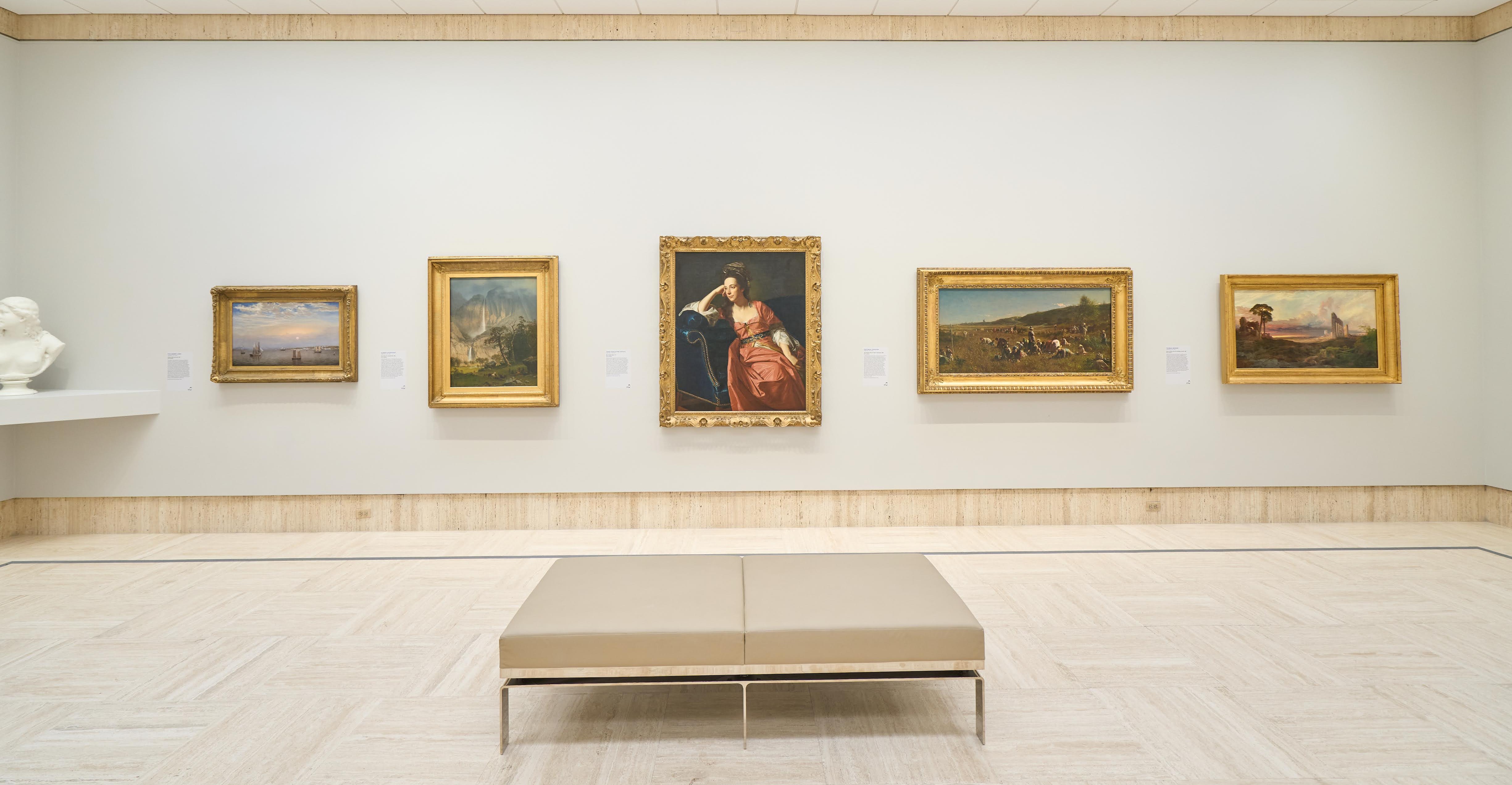
Since opening our doors in 1965, the Timken Museum of Art has preserved the Putnam Collection of European old masters, American art and Russian icons for the education and benefit of present and future generations of San Diego residents and visitors. The Museum celebrates the important role of art as a way of enriching the lives and nurturing the creative spirit in us all.

History
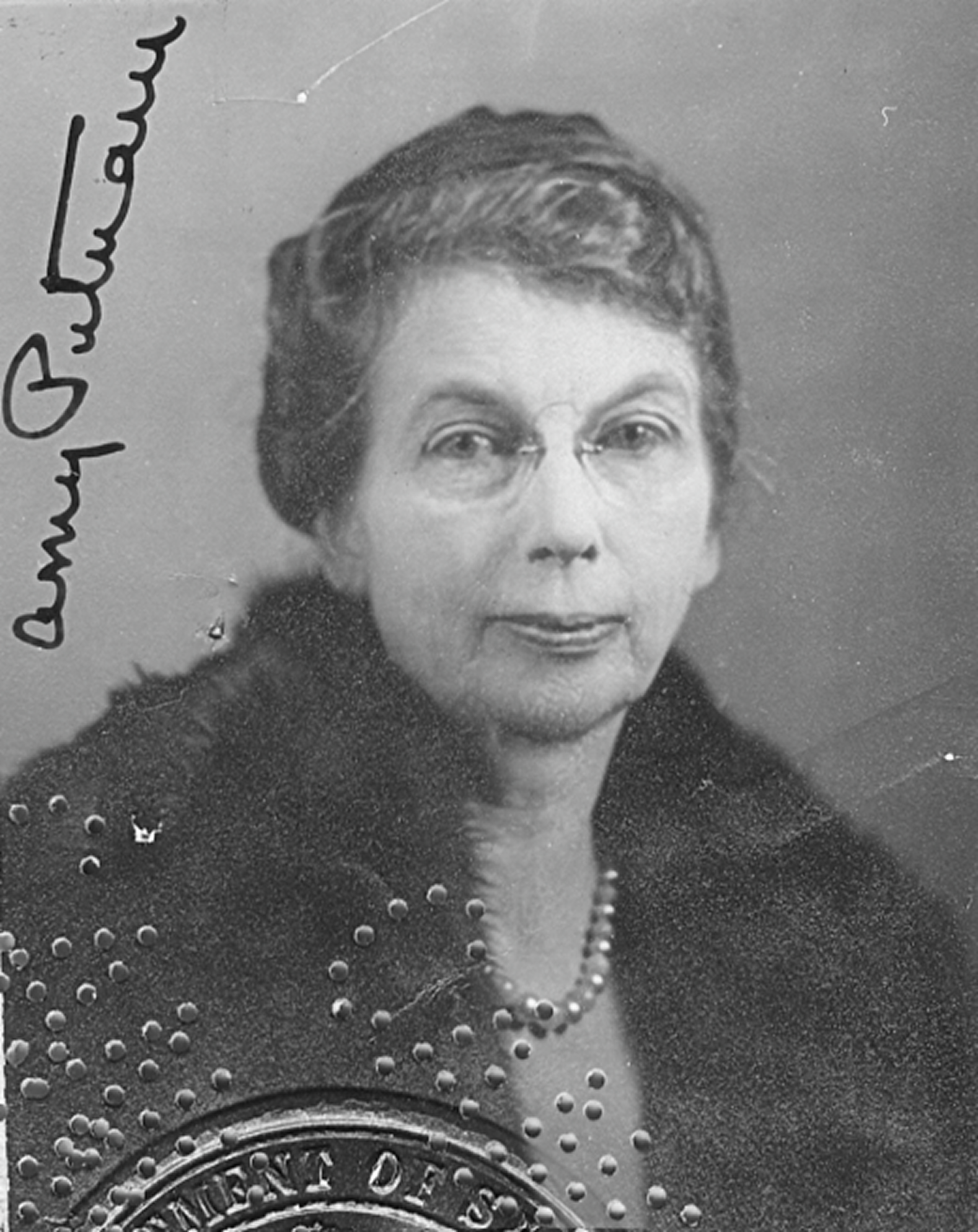
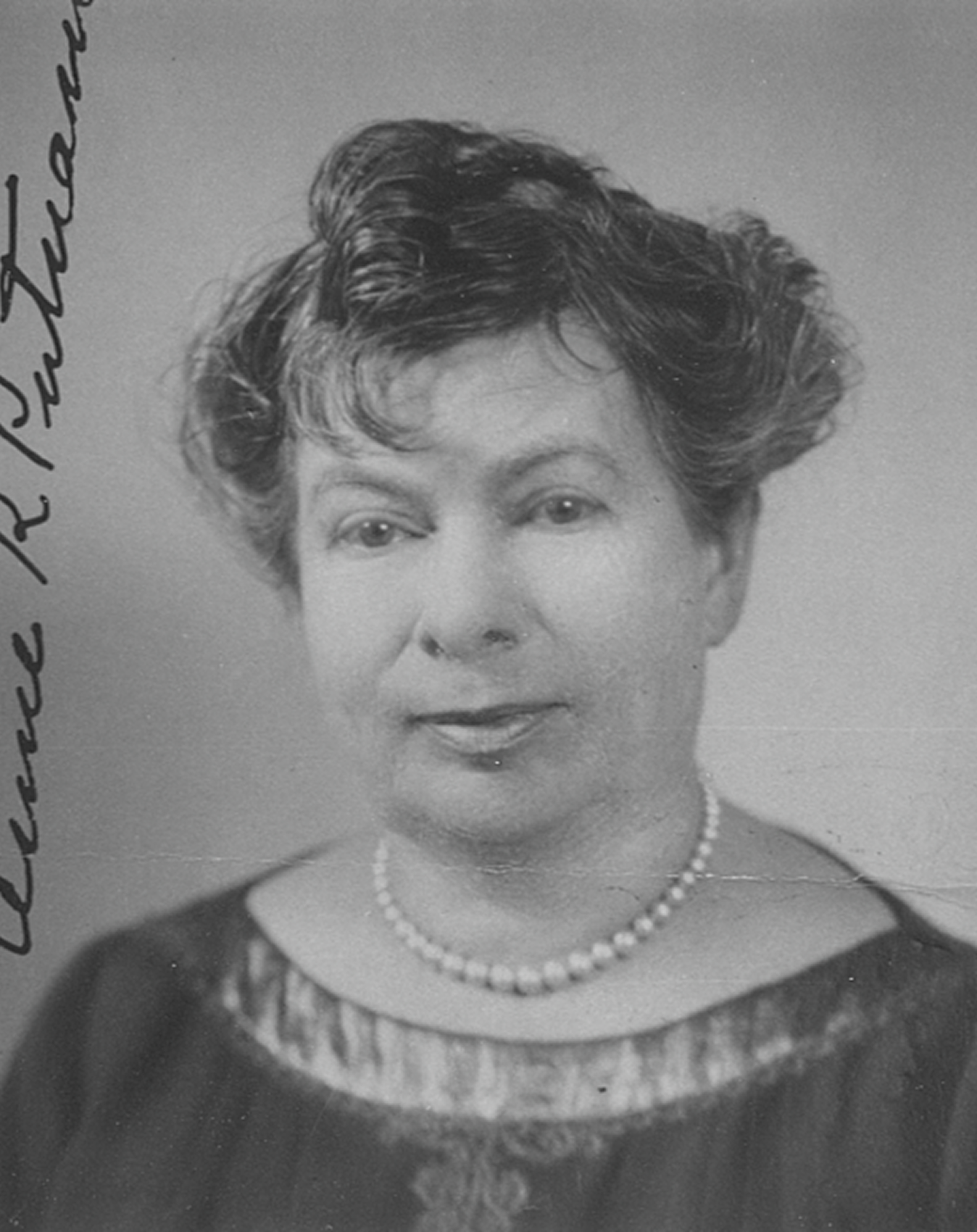
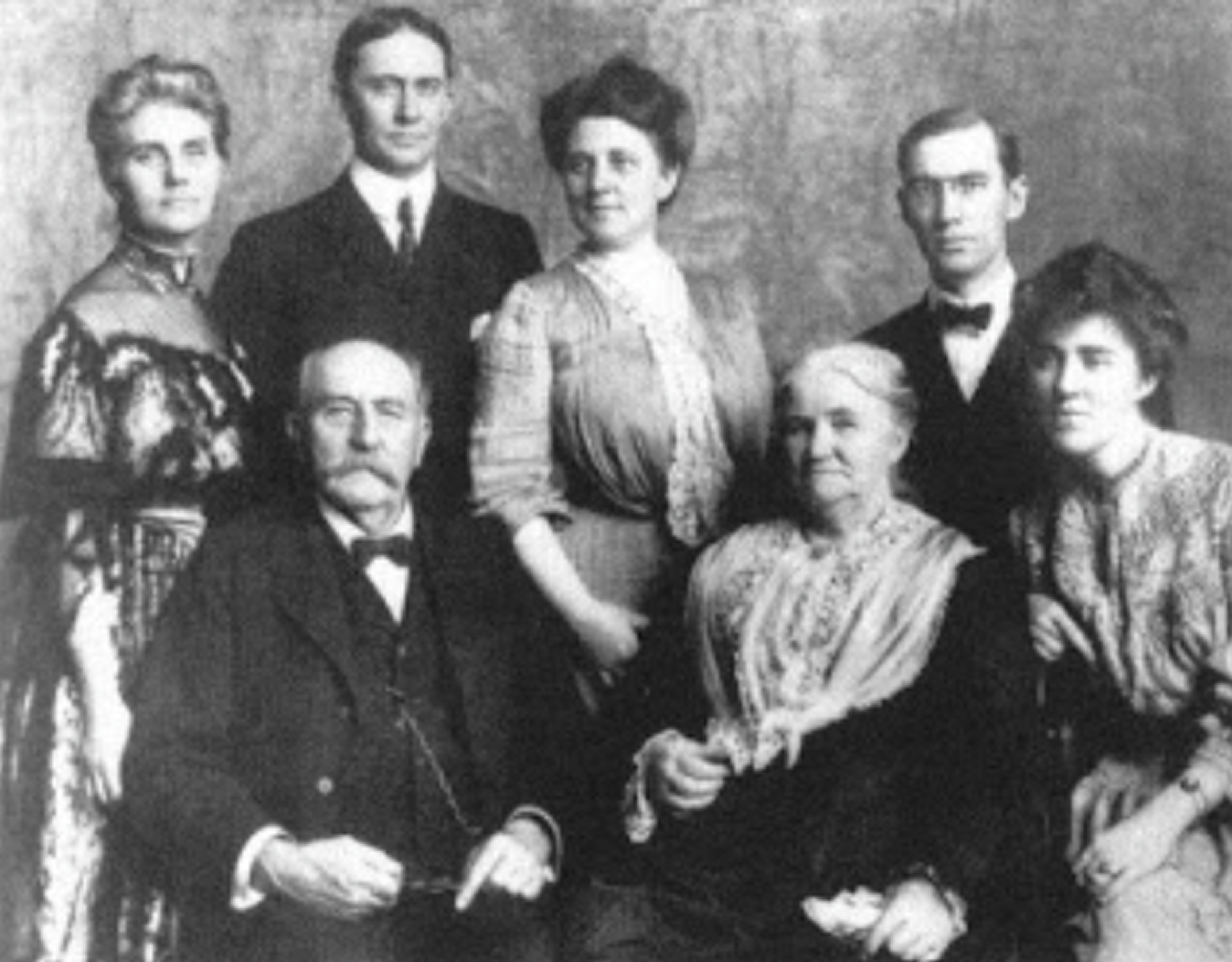
The Timken was created through the generosity of two families: the Timken family of Canton, Ohio, who wintered in San Diego and were principal benefactors of the Fine Arts Society (now the San Diego Museum of Art), and Anne and Amy Putnam, sisters who arrived in San Diego with their family in the early 1900s. In the 1930s and 40s, Anne and Amy Putnam began to purchase European paintings of distinction, which they anonymously donated to the Fine Arts Society.
In 1950, under the guidance of their attorney, Walter Ames, the Putnam sisters established a foundation whose sole purpose would be to acquire paintings of high quality. These works of art, however, were not destined to be exhibited in San Diego, but were to travel on loan to various institutions throughout the country, including the National Gallery of Art, Metropolitan Museum of Art, Fogg Art Museum, and the Art Institute of Chicago.
In the early 1960s, Mr. Ames consulted with his client, Henry H. Timken, Jr., which resulted in the Timken Foundation offering to pay a substantial part of the cost of a new picture gallery for San Diego. The opening of the Timken in 1965 allowed for the return to San Diego of those Putnam paintings on loan to museums in the Midwest and East.
Architecture
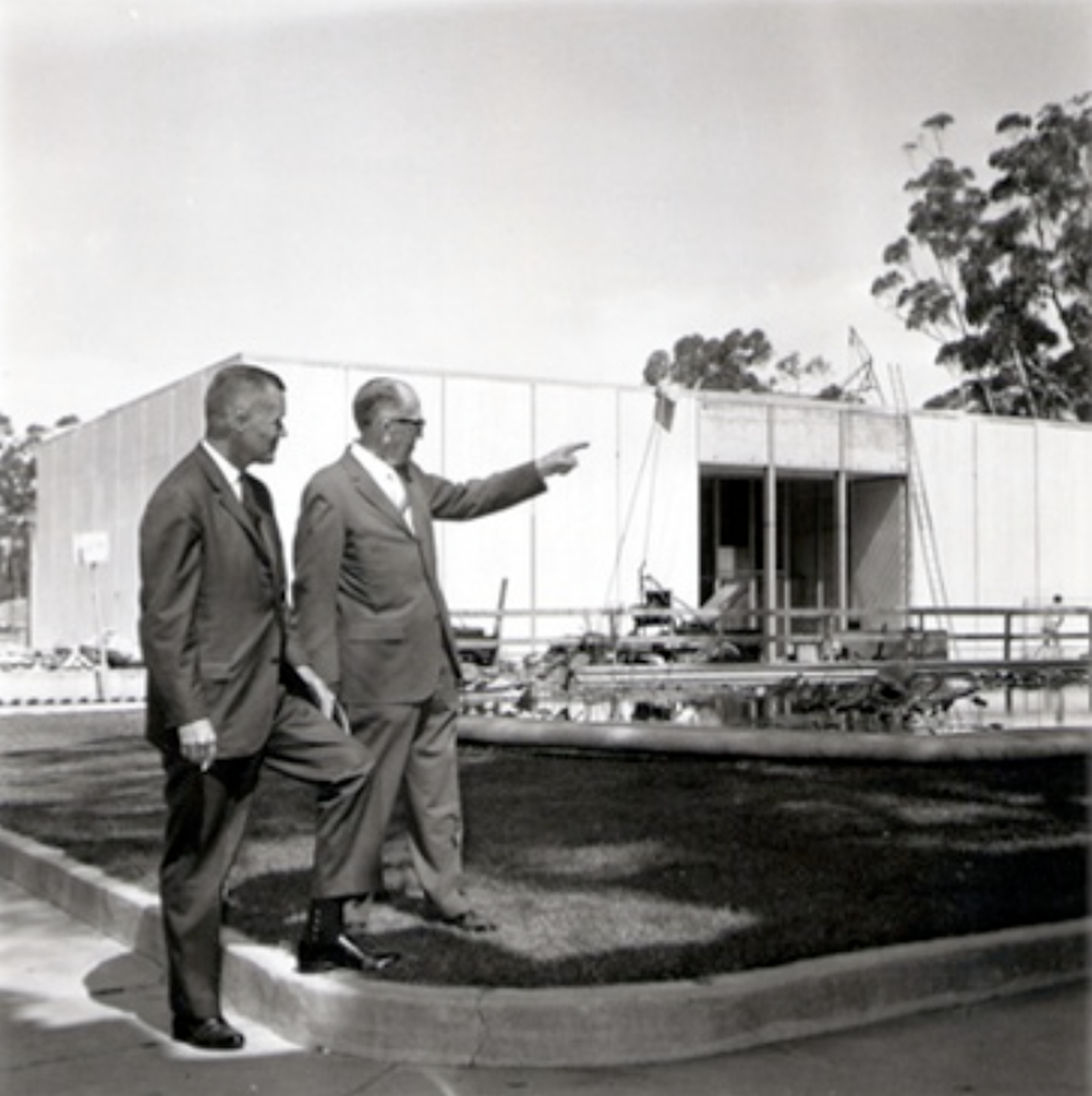
Designed by San Diego architect John Mock for Frank L. Hope and Associates, the museum is considered one of the more important examples of midcentury southern California modernism.
The groundwork for the Museum began in 1951. The main design feature was to embrace Balboa Park from within the building—in contrast to other Balboa Park structures that focused internally on their own exhibitions.
The symmetry, balance, and palette of materials (travertine, bronze, and glass) set the stage for an experience unlike any other structure in Balboa Park. Visitors can enjoy the lily pond to the east and the Plaza de Panama to the west. Garden courts dissect the structure’s middle and blur lines between interior and exterior spaces and engage San Diego’s moderate climate and abundant sunshine.
According to experts, the Timken represents some of the best evidence of 1960s modernity by some of the best talent San Diego had to offer. It is a major example of a post-World War II trend to build contemporary museum buildings to display the art of the past. Examples of such buildings include Kahn’s museums at Yale University (1953 and 1976) and the Kimbell in Fort Worth (1972), William Pereira’s 1966 Ahmanson Building at the Los Angeles County Museum of Art, and Philip Johnson’s museums in Utica, New York.

ADMINISTRATIVE OFFICE
LOCATION & HOURS
Get Directions >SIGN UP FOR OUR NEWSLETTER
Subscribe >


FOLLOW US

.png)